
Understanding Immersive Technology
What is XR Technology?
Extended Reality is the umbrella term that encompasses every immersive technology blending the physical and digital worlds. It is the foundation of the next computing platform and the key to preparing our youth for the future.
XR Stands for Extended Reality
XR, or Extended Reality, is a catch-all term that covers the entire spectrum of immersive technologies. It includes Virtual Reality (VR), Augmented Reality (AR), and Mixed Reality (MR), along with any future forms of reality-altering technology that have yet to be invented. The "X" in XR represents a variable, meaning it can stand for any letter in the reality spectrum, making it a future-proof term that grows alongside technological innovation.
At its core, XR is about transforming the way humans interact with digital information. Instead of staring at flat screens, XR places us inside the experience, wrapping digital content around our senses in ways that feel natural, intuitive, and deeply engaging. From education and healthcare to entertainment, architecture, and military training, XR is reshaping every industry on the planet.
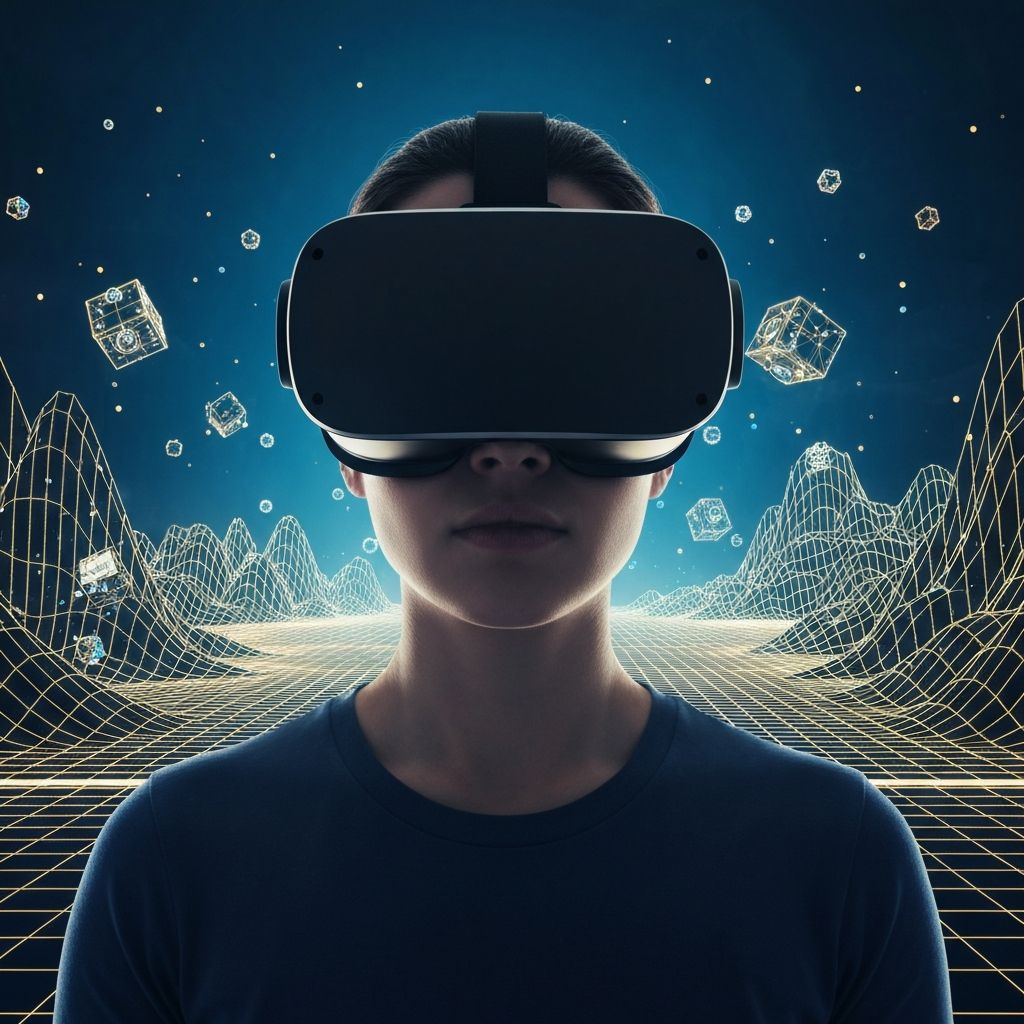
Virtual Reality
Virtual Reality completely replaces the physical world with a fully digital environment. When you put on a VR headset, your entire field of vision is filled with a computer-generated world. You can look around in every direction, move through 3D spaces, and interact with virtual objects using hand controllers or even your own hands with advanced tracking. VR is the most immersive form of XR because it fully transports you to another place, whether that is a fantasy game world, a historical recreation, a virtual classroom, or a simulated surgery.
Major platforms include Meta Quest, PlayStation VR, HTC Vive, and Valve Index. VR is used in gaming, education, military training, real estate walkthroughs, therapy for PTSD and phobias, and architectural visualization.
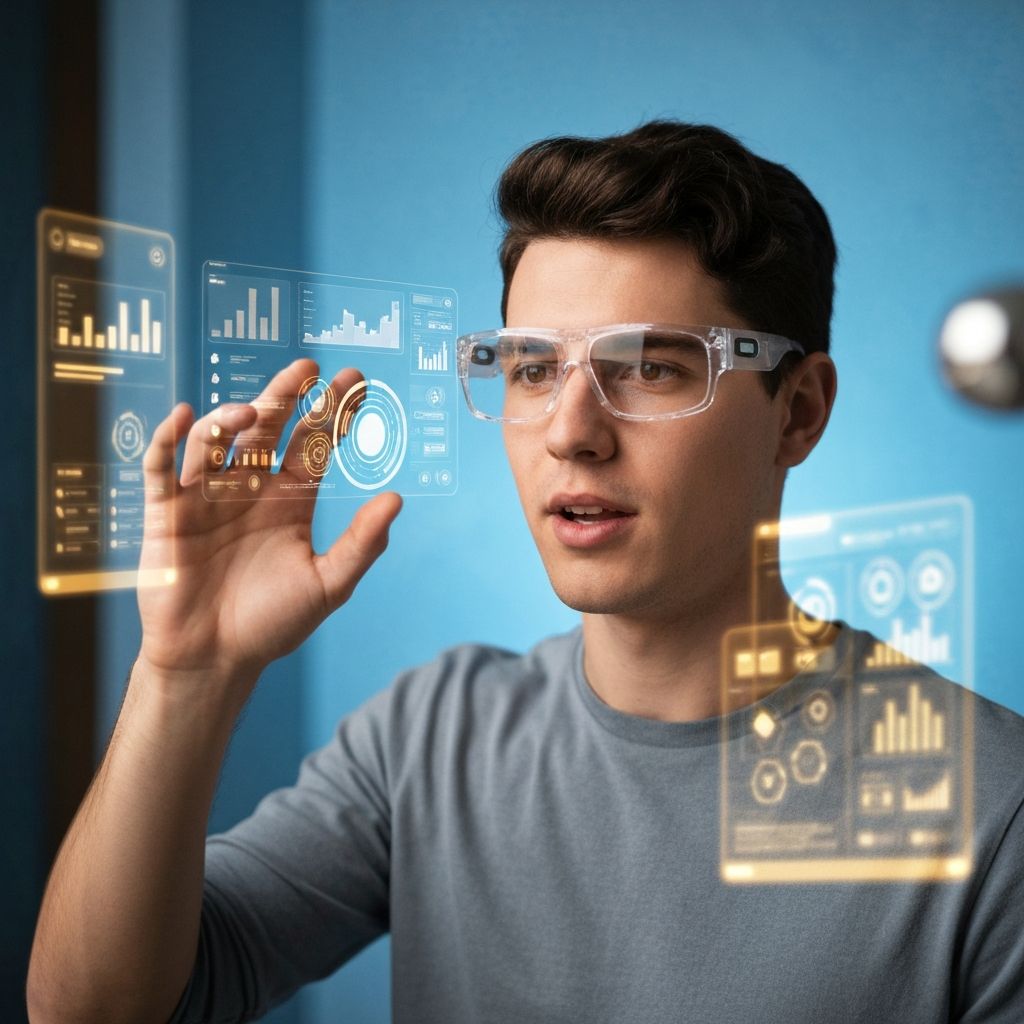
Augmented Reality
Augmented Reality overlays digital content onto the real world without replacing it. You can still see your physical surroundings, but digital objects, information, and graphics are layered on top. The most accessible form of AR is through your smartphone, apps like Snapchat filters, Google Maps Live View, and measuring tools all use AR. More advanced AR is delivered through lightweight smart glasses that project holographic displays into your line of sight.
AR is already deeply embedded in everyday life through phones and tablets, and it is rapidly expanding into industry with platforms like Microsoft HoloLens for enterprise, Apple ARKit, and Google ARCore for mobile developers.
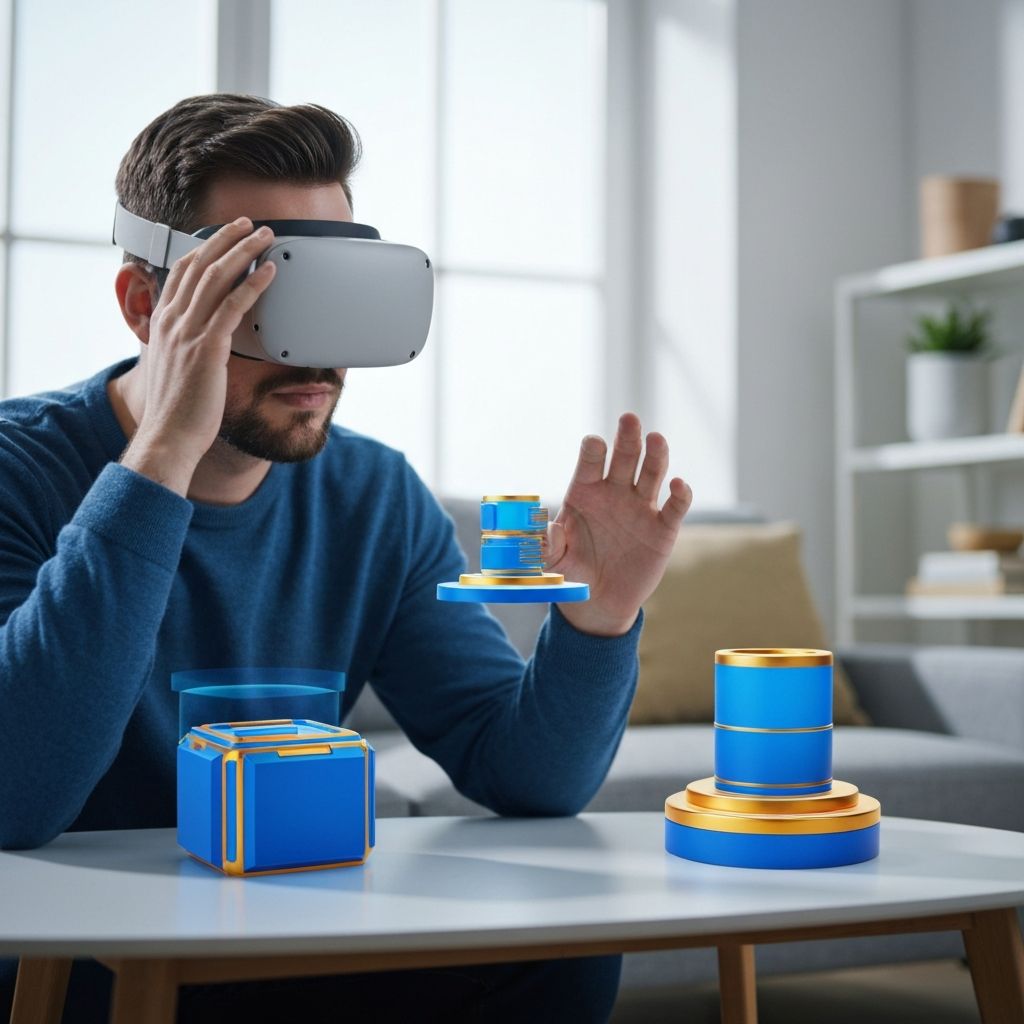
Mixed Reality
Mixed Reality is the most advanced point on the XR spectrum. It merges the physical and digital worlds so that virtual objects can interact with real objects in real time. A virtual ball can bounce off your real desk. A holographic engine can sit on your workbench and you can walk around it, inspect it from every angle, and pull apart its digital components with your hands. MR is aware of your physical environment through depth sensors and spatial mapping.
Devices like the Apple Vision Pro and Meta Quest 3 with full color passthrough represent the cutting edge of MR. This technology is accelerating rapidly in healthcare, engineering, education, and creative production.
See It In Action
XR Technology in the Real World
Watch how Extended Reality is transforming industries, redefining entertainment, and creating entirely new ways to learn and collaborate.
What is Extended Reality?
An overview of XR and how VR, AR, and MR are converging into a single immersive platform that will change the way we work, learn, and play.
The Future of VR and AR
How virtual and augmented reality are evolving from niche gaming accessories into the next major computing platform, transforming education, healthcare, and creative industries.
Spatial Computing is Here
Spatial computing blends digital content with your physical space. See how headsets like Apple Vision Pro are pioneering a new era of mixed reality interaction.
XR in Education
How immersive technology is revolutionizing the classroom. Students can walk through ancient civilizations, explore the human body from the inside, and build virtual worlds as part of their curriculum.
The Road Ahead
The Coming Advances in XR Technology
We are standing at the threshold of the most transformative shift in computing since the invention of the smartphone. Over the next decade, XR technology will advance at an exponential rate. Headsets will shrink from bulky goggles to lightweight glasses indistinguishable from regular eyewear. Haptic feedback suits and gloves will let us feel virtual objects with our hands. Brain-computer interfaces will eventually allow us to control digital environments with thought alone.
The metaverse, a persistent interconnected network of 3D virtual worlds, is being built right now by companies like Meta, Apple, Google, Microsoft, and thousands of independent developers. Spatial computing will replace flat screen interfaces with immersive 3D workspaces. Digital twins will create virtual replicas of entire cities, factories, and ecosystems. AI-powered avatars will serve as personal assistants, teachers, and collaborators inside these environments.
For the young people growing up today, XR will not be a novelty. It will be the primary medium through which they attend school, build careers, create art, and connect with others around the globe. The children who learn to develop for XR today will be the architects of tomorrow's digital reality.
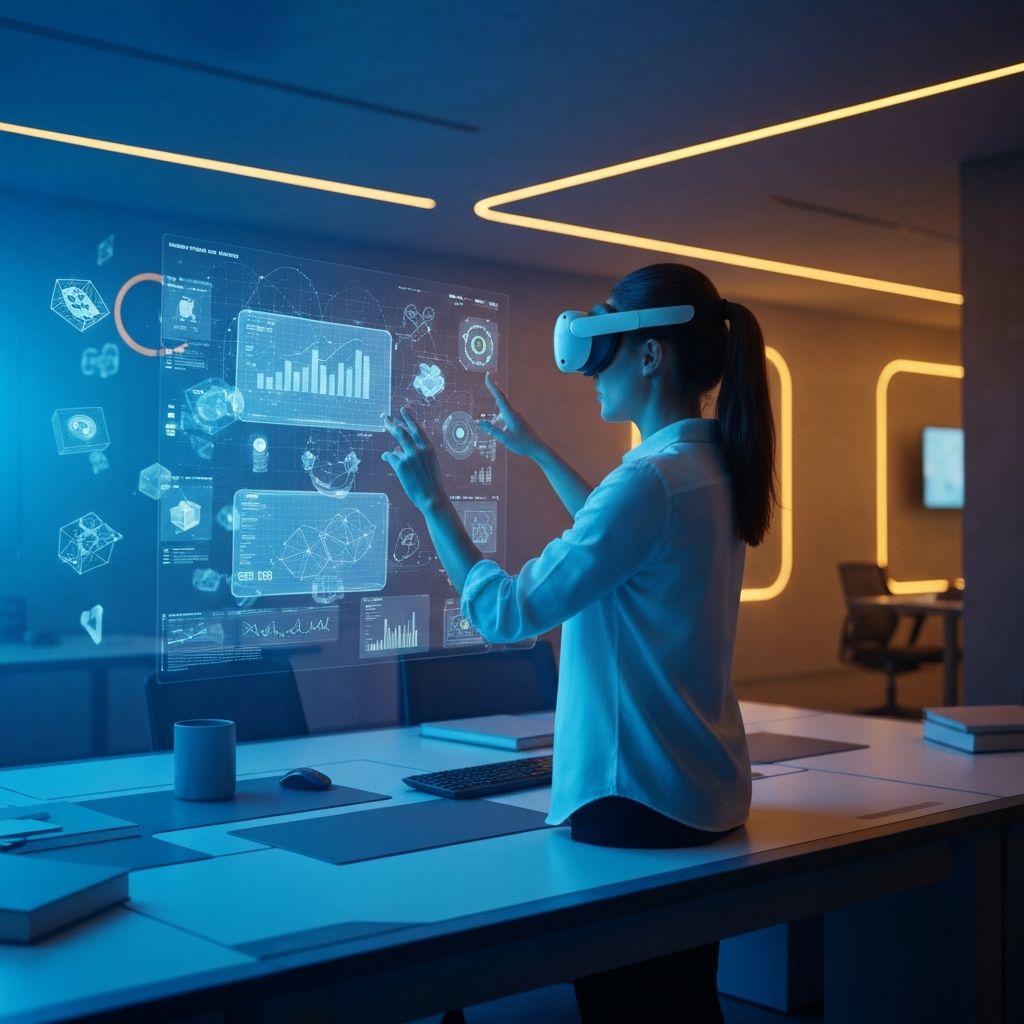
The Metaverse
Persistent, interconnected 3D virtual worlds where people work, socialize, learn, and create. The metaverse is not a single product but an ecosystem of immersive platforms being built by developers worldwide.
Spatial Computing
The evolution beyond flat screens. Spatial computing uses depth sensing, eye tracking, and hand tracking to let users interact with digital content that exists in three-dimensional space around them.
Digital Twins
Virtual replicas of physical objects, buildings, and entire cities that update in real time. Used in manufacturing, urban planning, healthcare, and training simulations.
Lightweight XR Glasses
Headsets are rapidly shrinking. Within years, XR will be delivered through sleek glasses with all-day battery life, replacing smartphones as the primary personal computing device.
Haptic Feedback
Advanced gloves, suits, and controllers that simulate the sensation of touch. Feel the texture of virtual objects, the resistance of a virtual tool, or the impact of a virtual environment.
AI + XR Convergence
Artificial intelligence is supercharging XR. AI generates 3D environments in real time, powers intelligent virtual characters, and personalizes immersive learning experiences for every student.
The Future Belongs to Those Who Build It
At ShockXR, we are dedicated to making sure young people are not just consumers of immersive technology but creators of it. Explore our courses or support our mission to bring XR education to every child.