ShockXR Kids Complete Curriculum
Comprehensive New Media Technology Training
A comprehensive 1-year program | 12 courses | 6 weeks each covering professional creative technology skills from graphic design and motion graphics to 3D animation, motion capture, AI tools, and immersive XR development.
12
Courses
72
Total Weeks
Ages 12 - 18
Age Range
12+
Certificates
Class Schedule
- Monday & Wednesday: 2 hours per session
- Saturday Intensive: 9:00 AM - 1:00 PM (4 hours)
- Optional Lab Hours: Tuesday & Thursday
Class Size: Maximum 15 students per cohort for personalized instruction
6-Week Course
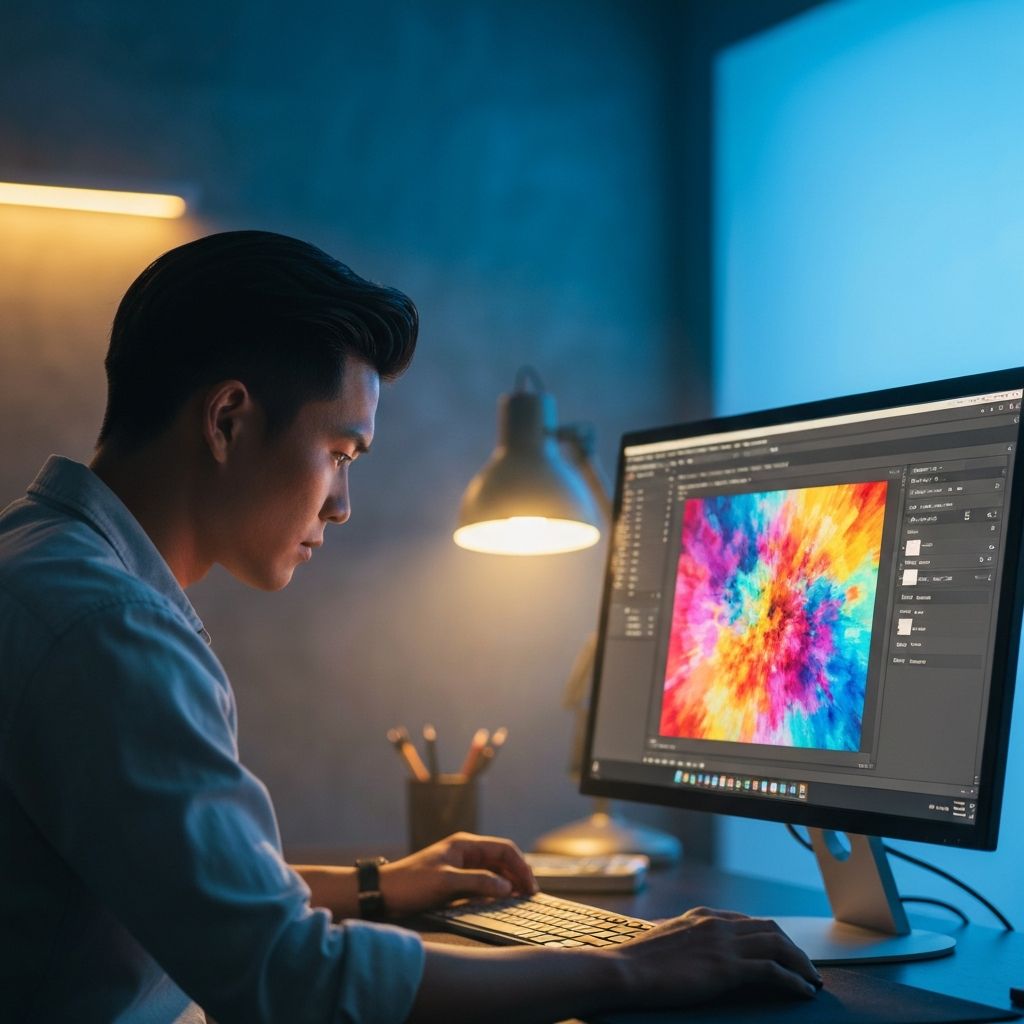
Adobe Photoshop Graphic Design
Master the industry-standard tool for digital imaging, photo manipulation, and graphic design. Students learn professional workflows used in advertising, web design, and digital art production.
Mini-Project:
Complete brand identity package: logo, business card, social media kit
Program Overview
Adobe Photoshop is the foundation of all digital visual arts. This comprehensive 6-week course transforms beginners into confident digital artists capable of professional-quality output. Students master the complete Photoshop ecosystem -- from basic interface navigation to advanced compositing techniques used in Hollywood productions.
The curriculum progresses systematically: Weeks 1-2 establish core competencies in layers, selections, and brush tools. Week 3 introduces photo editing and retouching -- color correction, blemish removal, and enhancement techniques. Week 4 covers typography, text effects, and brand asset creation. Week 5 dives into advanced compositing with layer masks, smart objects, blending modes, and non-destructive editing workflows.
Students complete real-world projects including social media graphics, event posters, product mockups, and digital art pieces. The capstone project challenges each student to create a complete brand identity package including logo, business card, and promotional materials. These portfolio pieces demonstrate professional competency and prepare students for freelance work or agency positions.

6-Week Course
Adobe After Effects Motion Graphics
Transform static designs into dynamic motion graphics and visual effects. Learn keyframe animation, compositing, and the techniques behind broadcast graphics, title sequences, and social media content.
Mini-Project:
Broadcast-quality animated title sequence with sound design
Program Overview
Motion graphics are everywhere -- from YouTube intros and Netflix title sequences to Instagram stories and broadcast news. This course teaches students to create professional animated content using Adobe After Effects, the industry standard for motion design and visual effects compositing.
Students progress from basic transform animations to complex expression-driven motion systems. Week 1-2 establishes keyframe fundamentals and the graph editor for smooth, professional motion. Week 3 focuses on kinetic typography -- animated text techniques used in advertising and music videos. Week 4 introduces visual effects: particle systems, light leaks, glitches, and compositing techniques.
The curriculum culminates in broadcast-quality projects: animated logos, social media content packages, and a complete title sequence. Students learn industry workflows including template creation, render optimization, and Dynamic Link integration with Premiere Pro. Graduates are prepared for roles in motion design studios, advertising agencies, and broadcast production.

6-Week Course
Adobe InDesign Desktop Publishing
Master professional page layout and desktop publishing for print and digital media. Create magazines, books, brochures, and interactive PDFs with industry-standard typography and design principles.
Mini-Project:
Complete 16+ page magazine with cover, editorial spreads, and advertisements
Program Overview
Adobe InDesign is the professional standard for page layout and desktop publishing. This course trains students to create publication-ready documents including magazines, books, brochures, annual reports, and interactive digital publications. Students learn the typography, grid systems, and production workflows used by publishing houses and design agencies worldwide.
The curriculum emphasizes both aesthetic design and technical precision. Weeks 1-2 cover document setup, master pages, and the grid-based layout systems that define professional publishing. Week 3 dives deep into typography -- paragraph and character styles, optical kerning, and the typographic details that separate amateur from professional work. Week 4 introduces image handling, text wrap, and the relationship between copy and visuals.
Students complete progressively complex projects: single-page advertisements, multi-page brochures, and a complete magazine spread. The capstone project is a 16+ page publication ready for commercial printing or digital distribution. Graduates understand both print production (bleeds, color profiles, prepress) and digital publishing (interactive PDFs, EPUB export) workflows.
6-Week Course
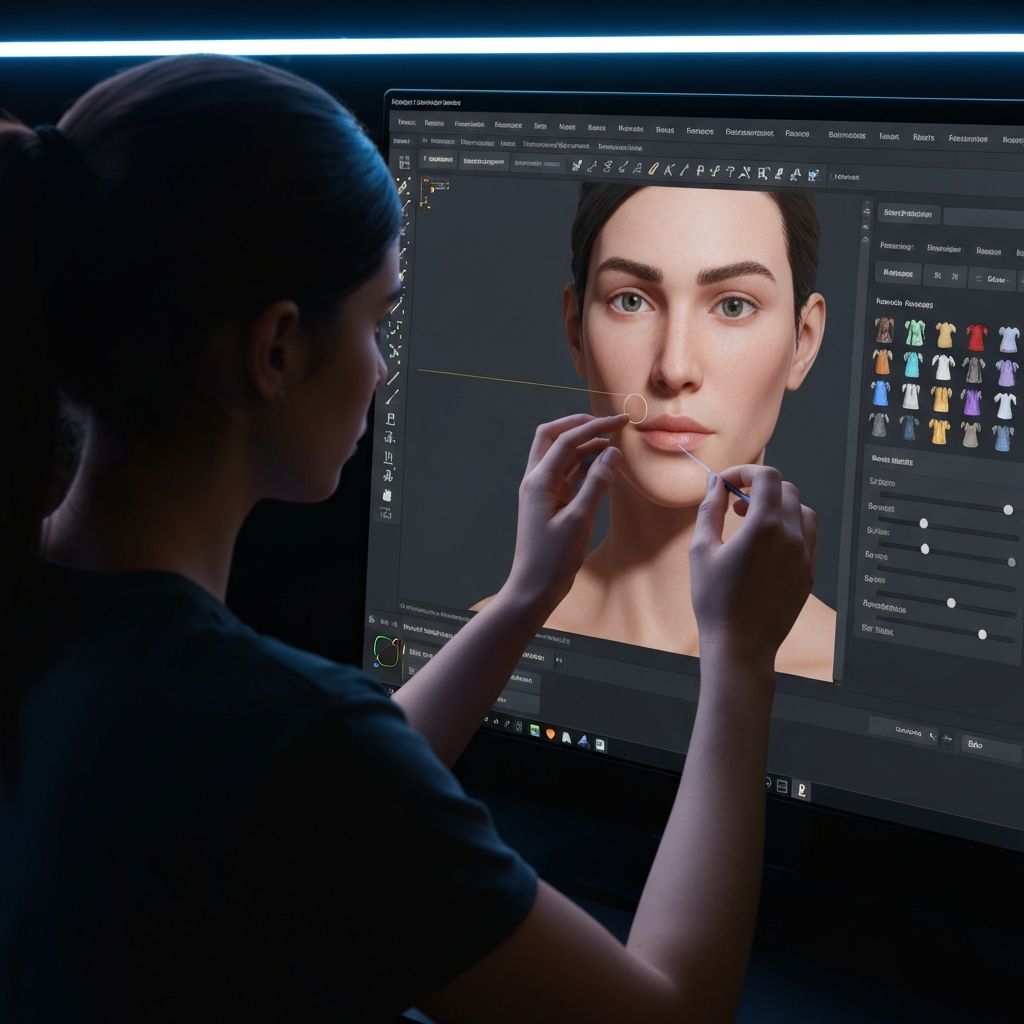
Character Creator 3D Modeling
Build realistic and stylized 3D characters using Reallusion Character Creator. Learn facial sculpting, body morphing, clothing systems, and the complete character pipeline for games, film, and virtual production.
Mini-Project:
Original 3D character with custom face, body, clothing, and accessories
Program Overview
Character Creator by Reallusion has revolutionized 3D character production, enabling creators to build film-quality digital humans in a fraction of the time required by traditional modeling. This course teaches students the complete character creation pipeline -- from base mesh customization to export-ready assets for games, film, and virtual production.
Students begin with body morphing and proportion systems in Week 1-2, learning to create diverse character types from realistic humans to stylized avatars. Week 3 focuses on facial sculpting -- shaping eyes, nose, mouth, and facial structure with precision. Week 4 covers skin texturing, makeup, tattoos, and surface details that bring characters to life. Week 5 introduces the clothing and accessory systems.
The curriculum prepares students for modern character workflows used in game development, virtual influencers, metaverse avatars, and digital doubles for film. The capstone project requires creating a complete original character with custom face, body, clothing, and accessories -- ready for animation in iClone or export to external engines like Unreal or Unity.
6-Week Course
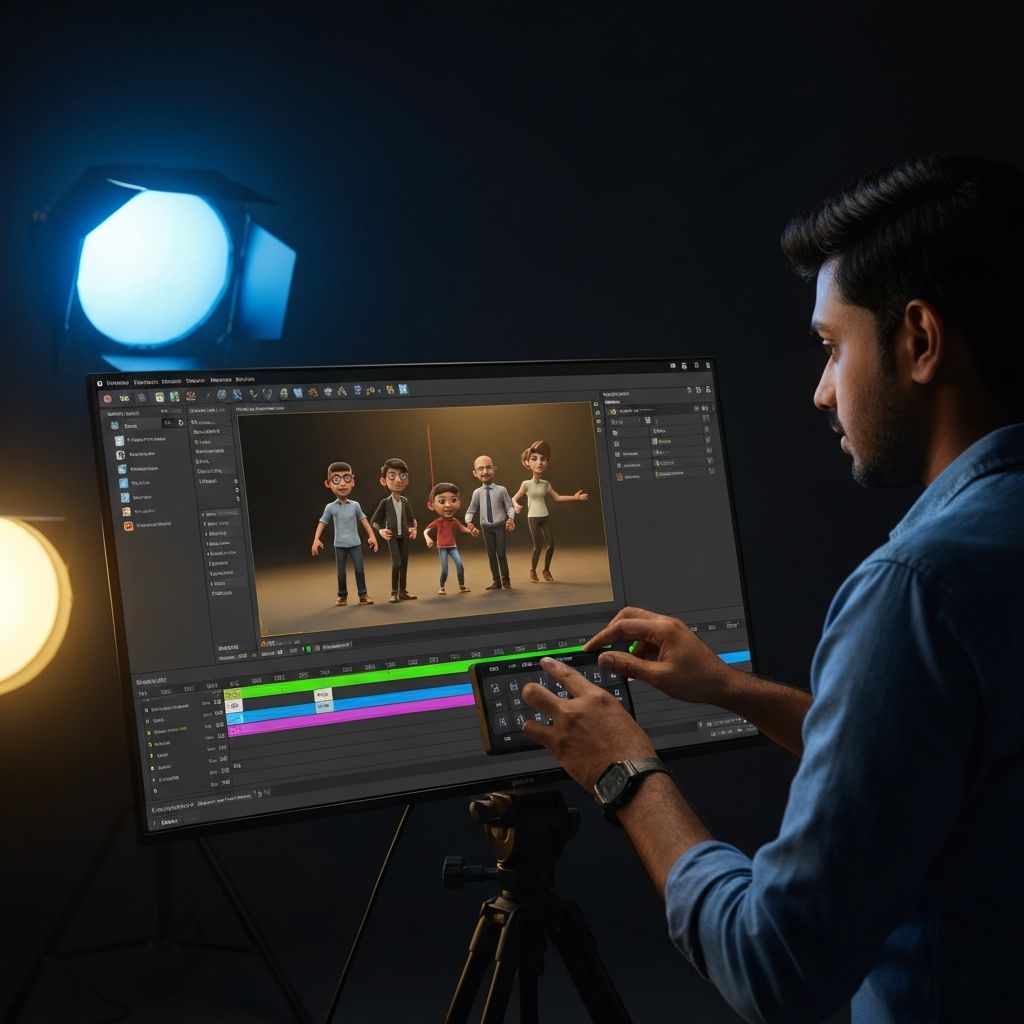
iClone 8 3D Animation & Production
Bring characters to life with real-time 3D animation in iClone 8. Learn motion editing, facial animation, lip sync, cinematic cameras, and virtual production techniques for film and game cinematics.
Mini-Project:
Complete 60-90 second animated short film with dialogue and camera work
Program Overview
iClone 8 is a real-time 3D animation platform that enables rapid character animation and virtual production. This course teaches students to animate the characters created in the previous block, creating cinematic sequences with professional camera work, lighting, and staging. The real-time engine allows instant feedback, making animation more intuitive and efficient.
Week 1-2 introduces the animation fundamentals: importing characters, applying motion clips, and editing movements on the timeline. Week 3 focuses on facial animation and lip sync -- critical skills for dialogue scenes and character performances. Week 4 covers cinematic camera work: multi-camera setups, camera movements, depth of field, and shot composition.
Students learn virtual production workflows used in modern film and television, including real-time rendering, motion blending, and scene assembly. The capstone project is a complete animated short film featuring character performances, dialogue, camera work, and environmental staging. Graduates are prepared for roles in animation studios, game cinematics teams, and virtual production facilities.
6-Week Course
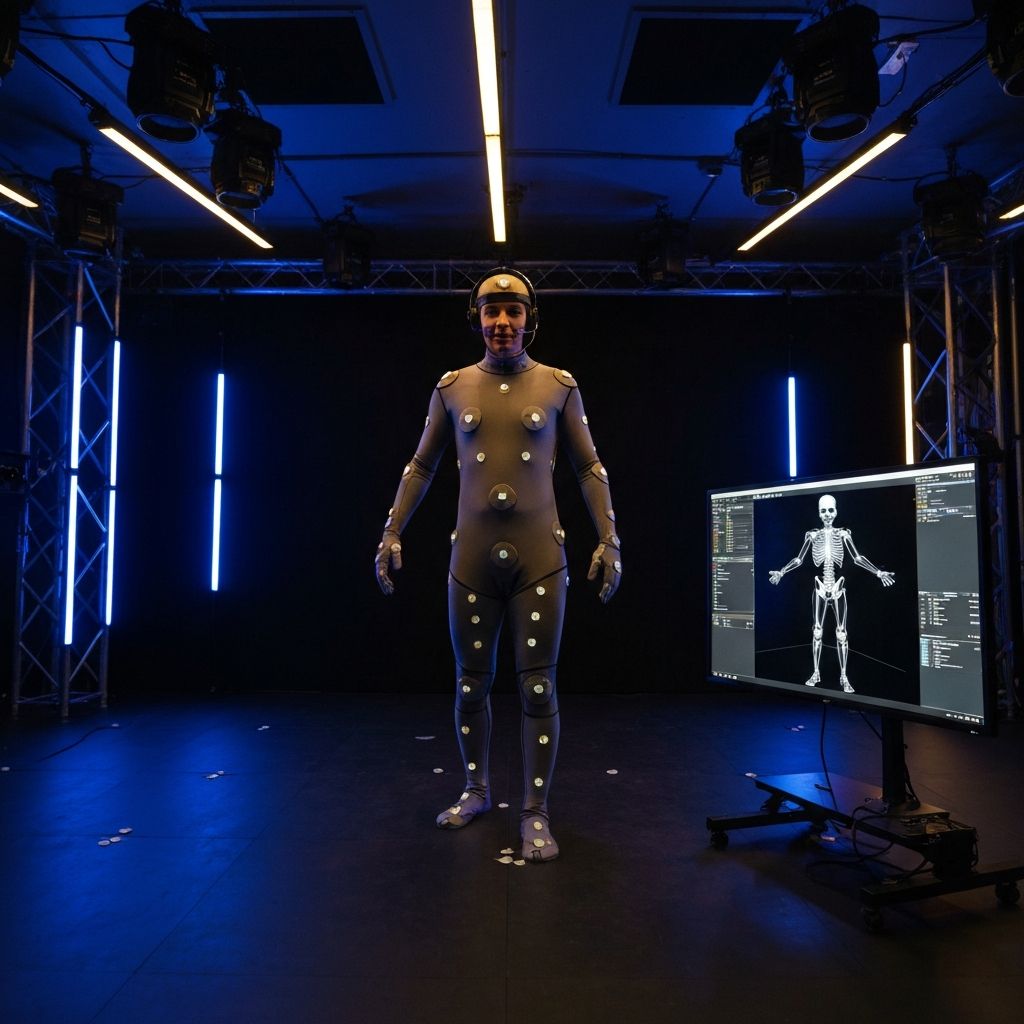
Motion Capture: Body & Face
Learn professional motion capture workflows for full body and facial performance capture. Master mocap suit setup, data cleanup, retargeting, and integration with 3D animation pipelines.
Mini-Project:
Complete motion capture performance: body and face, cleaned and retargeted to 3D character
Program Overview
Motion capture has transformed animation and game development, enabling realistic character movement that would take months to animate by hand. This course provides hands-on training with professional mocap systems, teaching students the complete pipeline from suit-up to final animated character.
Weeks 1-2 cover full-body motion capture: suit calibration, sensor placement, capture sessions, and data recording. Students learn proper movement techniques for clean captures and understand the technical requirements for different motion types. Week 3 introduces facial motion capture: head-mounted cameras, marker placement, and capturing subtle expressions and dialogue performances.
Weeks 4-5 focus on post-production: cleaning captured data, retargeting motion to different character rigs, and integrating mocap with keyframe animation for polish. Students work with industry-standard software and learn troubleshooting techniques for common mocap issues. The capstone project requires capturing, cleaning, and delivering a complete motion performance integrated with a 3D character.
6-Week Course
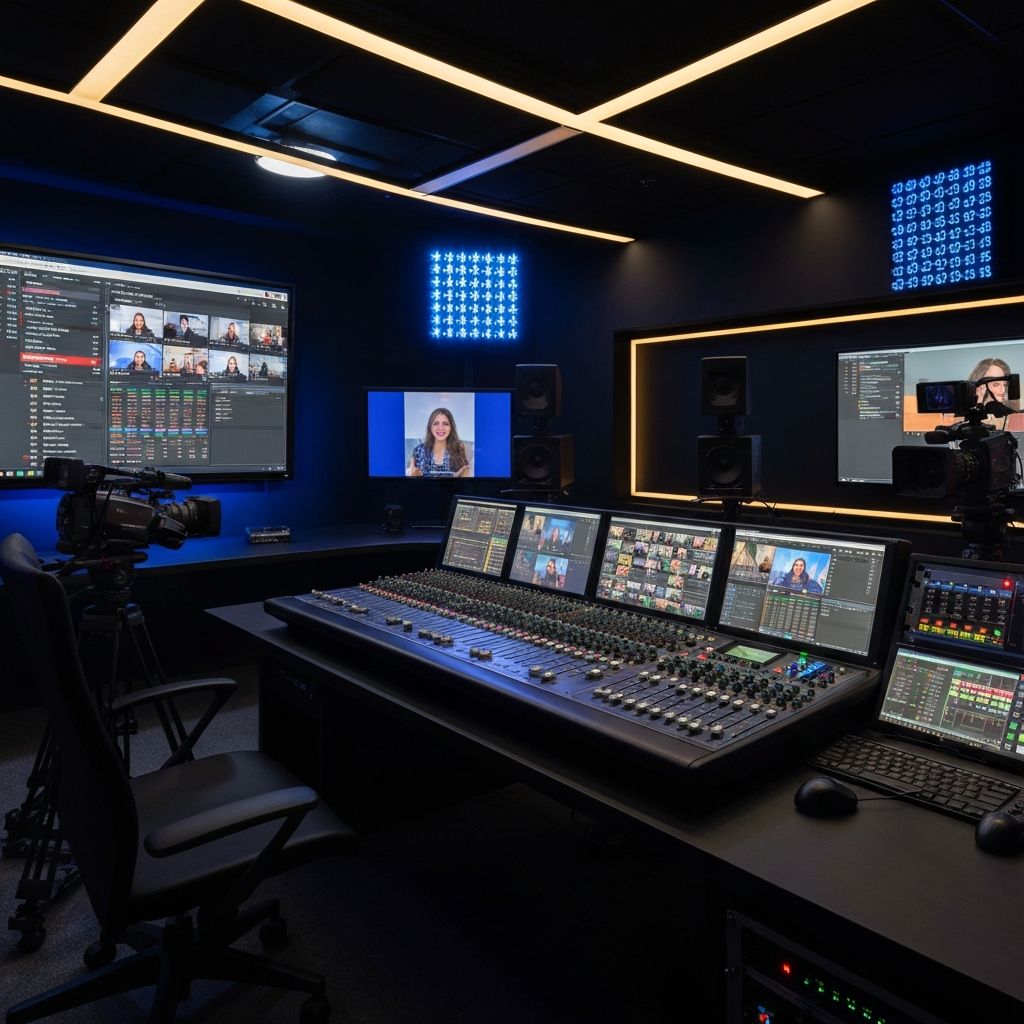
Live Streaming with Wirecast
Master professional live streaming and broadcast production using Wirecast. Learn multi-camera switching, graphics overlays, virtual sets, and the technical skills for professional live events.
Mini-Project:
Produce and stream a complete 15+ minute live show with graphics and multiple segments
Program Overview
Live streaming has become essential for content creators, businesses, and media organizations. This course teaches professional broadcast production using Wirecast, the industry-standard software for live streaming and virtual events. Students learn to produce polished, multi-camera live shows with graphics, transitions, and real-time effects.
Week 1-2 establishes the fundamentals: Wirecast interface, source management, and basic switching. Week 3 introduces graphics: lower thirds, titles, logos, and animated overlays that brand a production. Week 4 covers virtual sets and green screen integration -- creating professional broadcast environments without expensive physical studios.
Students learn streaming platform integration (YouTube, Twitch, Facebook Live), audio management, and the technical workflows for reliable live broadcasts. The capstone project is a complete live show: students plan, produce, and stream a 15+ minute program with multiple segments, graphics, and professional polish. Graduates are prepared for roles in broadcast production, corporate communications, and content creation.
6-Week Course
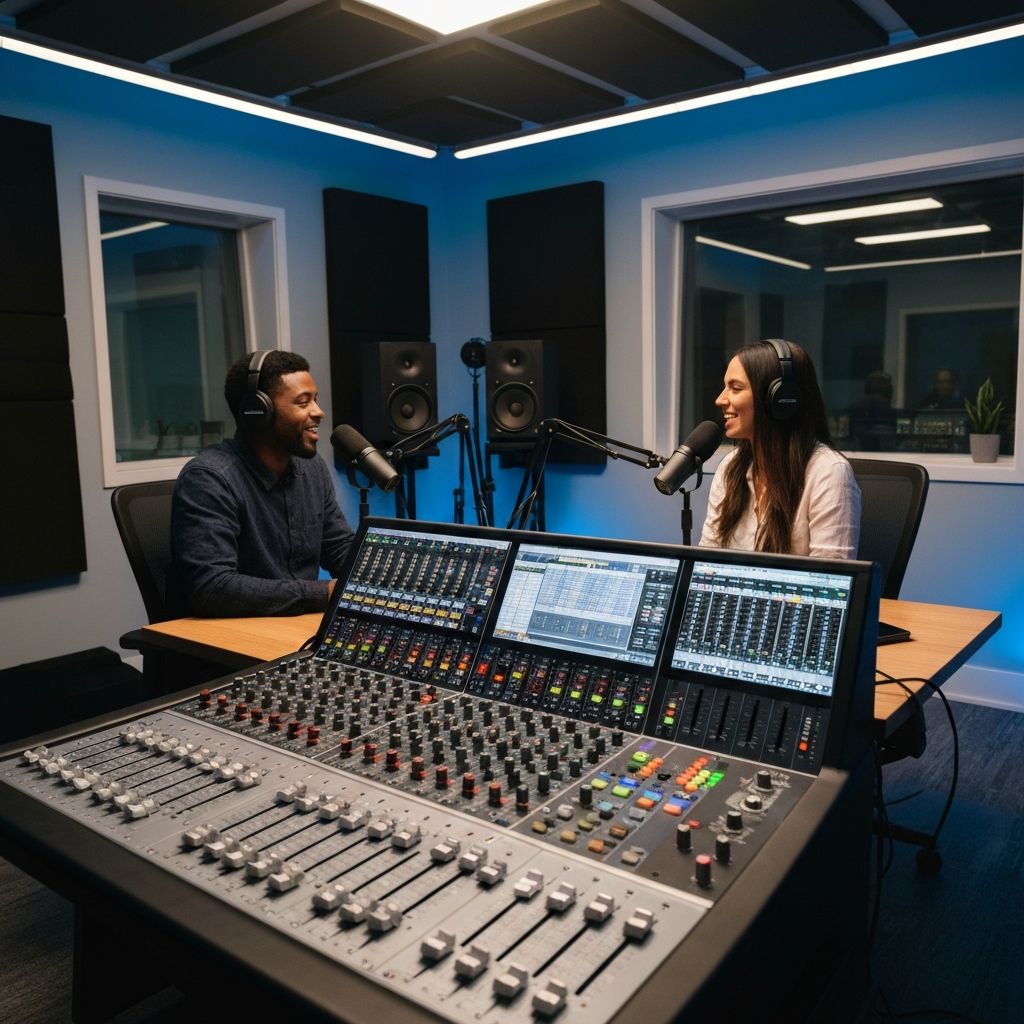
Podcast Production
Learn professional podcast production from concept to publication. Master recording, editing, mixing, distribution, and the storytelling techniques that build engaged audiences.
Mini-Project:
Launch a 3+ episode podcast series on major platforms with professional audio and branding
Program Overview
Podcasting has exploded as a medium, with over 5 million podcasts and growing. This course teaches the complete podcast production pipeline -- from concept development and branding to recording, editing, and distribution. Students learn both the technical skills and creative strategies for building successful podcasts.
Week 1-2 covers podcast fundamentals: format development, episode planning, and recording setup. Students learn proper microphone technique, room acoustics, and the equipment choices that impact audio quality. Week 3 dives into editing: cutting for clarity, pacing, adding music beds, and creating polished episodes. Week 4 focuses on mixing and mastering -- EQ, compression, and the audio processing that makes podcasts sound professional.
Students launch actual podcasts during the course, learning distribution platforms (Apple Podcasts, Spotify), RSS feeds, show notes, and audience growth strategies. The capstone project is a complete podcast series: 3+ episodes with consistent branding, professional audio quality, and publication on major platforms. Graduates are prepared to produce their own shows or work as podcast producers for media companies and brands.
6-Week Course
AI Production & Creative Tools
Harness artificial intelligence for creative production. Learn AI image generation, video tools, voice synthesis, and how to integrate AI into professional creative workflows.
Mini-Project:
Complete multimedia production integrating AI image, video, and audio tools
Program Overview
Artificial intelligence is transforming creative production, enabling capabilities that were impossible just years ago. This course teaches students to leverage AI as a creative tool -- not to replace human creativity, but to amplify it. Students learn practical AI applications for image generation, video production, audio synthesis, and workflow automation.
Week 1-2 focuses on AI image generation: prompt engineering, style control, and integrating AI images into professional workflows. Students work with leading platforms (Midjourney, DALL-E, Stable Diffusion) and learn the techniques for consistent, high-quality output. Week 3 introduces AI video tools: generation, editing assistance, and post-production automation. Week 4 covers AI audio: voice cloning, music generation, and sound design applications.
The curriculum emphasizes ethical considerations, copyright implications, and the responsible use of AI in creative work. Students learn to combine AI capabilities with traditional skills, using AI as a starting point for further refinement. The capstone project requires creating a complete multimedia production that thoughtfully integrates AI tools throughout the workflow. Graduates understand both the capabilities and limitations of AI, positioning them to lead in an AI-augmented creative industry.
6-Week Course
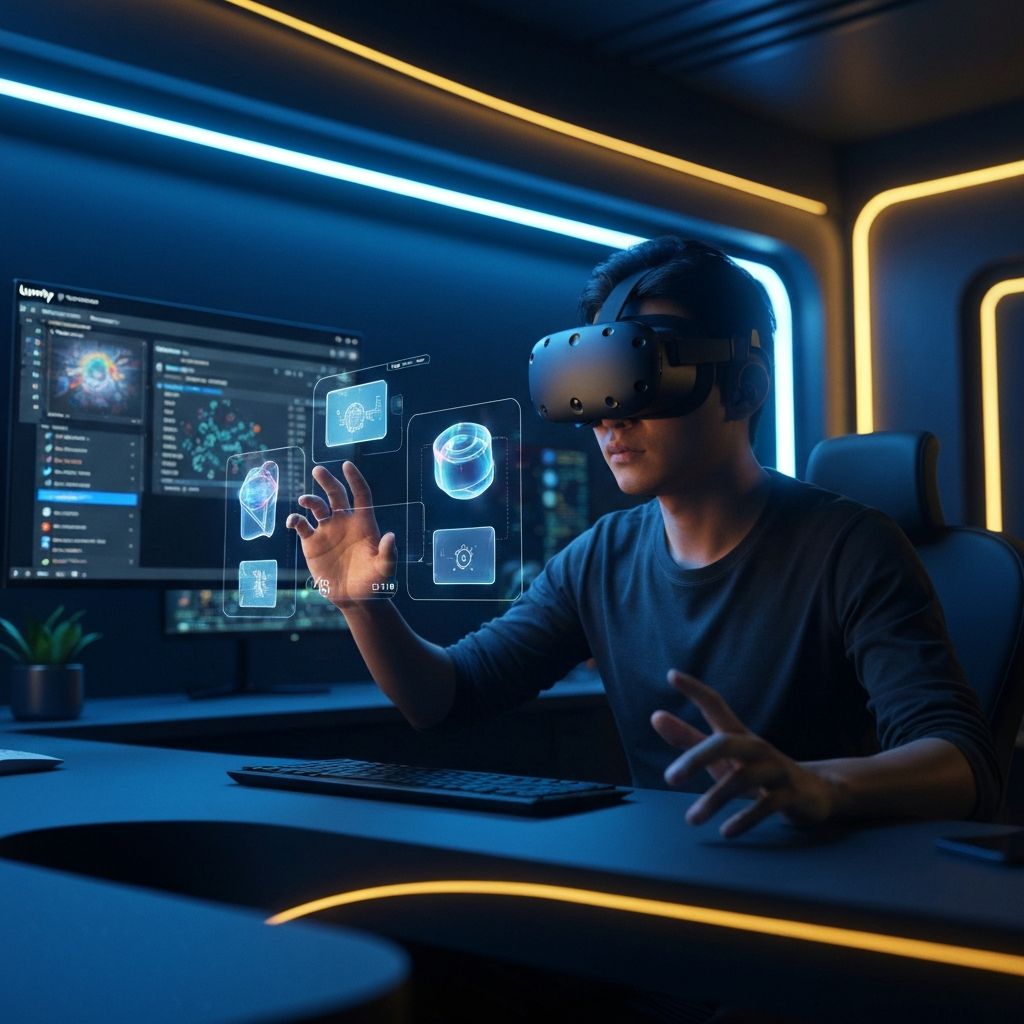
XR Development: AR & Mixed Reality
Build augmented reality and mixed reality experiences. Learn spatial computing fundamentals, AR frameworks, and create interactive XR applications for mobile devices and AR headsets.
Mini-Project:
Complete AR application with world tracking, interaction, and real-world utility
Program Overview
Extended Reality (XR) represents the future of computing, blending digital content with the physical world. This course teaches students to build AR and mixed reality experiences using modern development tools and frameworks. From mobile AR filters to spatial computing applications, students learn the complete XR development pipeline.
Week 1-2 establishes XR fundamentals: understanding the reality-virtuality continuum, spatial computing concepts, and the hardware landscape. Students learn AR development using platforms like AR Foundation and Spark AR, creating mobile experiences that run on billions of devices. Week 3-4 focuses on spatial anchoring, world tracking, and creating persistent AR content that interacts with physical environments.
Week 5 introduces mixed reality development for headsets like Meta Quest and Apple Vision Pro, where digital objects coexist with the real world. Students learn the unique UX considerations for spatial interfaces. The capstone project challenges students to create a complete AR application with real-world utility. Graduates are prepared to work on AR marketing campaigns, spatial computing products, and the emerging metaverse platforms.

6-Week Course
VR Development & Immersive Experiences
Create immersive virtual reality experiences using Unity or Unreal Engine. Master VR interaction design, locomotion systems, optimization, and build complete VR applications for modern headsets.
Mini-Project:
Complete VR experience with locomotion, hand interaction, UI, and optimized performance
Program Overview
Virtual Reality offers unparalleled immersion, and this capstone course teaches students to create complete VR experiences. Using Unity or Unreal Engine, students learn the specialized techniques required for VR development -- from comfortable locomotion systems to intuitive hand interactions and performance optimization for mobile VR hardware.
Week 1-2 establishes VR development fundamentals: headset SDKs, project configuration, and the core differences between traditional game development and VR. Students learn about VR comfort, motion sickness mitigation, and the design principles that make VR experiences enjoyable rather than nauseating. Week 3-4 focuses on interaction: VR UI design, hand tracking, grabbing physics, and the input systems that make VR feel natural.
Week 5 covers optimization -- critical for VR where performance directly impacts comfort. Students learn profiling, draw call reduction, and the techniques for hitting 72+ FPS on standalone headsets. The capstone is a complete VR experience: an interactive environment with locomotion, object interaction, UI, and polished presentation. This final project synthesizes skills from the entire 1-year curriculum, demonstrating mastery of 3D, animation, and real-time development.
Earn Industry-Recognized Certifications
Industry-recognized certificates awarded after each 6-week course completion. Full program graduates receive the ShockXR Kids Master Creator Certificate.
Course Certificates
Awarded after each 6-week course completion
Master Creator Certificate
Awarded upon full program completion
Portfolio Projects
12+ portfolio-ready projects to showcase
Year-End Showcase Event
At the conclusion of the 1-year program, students present their complete portfolio of work at the ShockXR Kids Year-End Showcase. This celebration brings together students, families, and industry professionals to recognize student achievements.
- Live demonstrations of VR/AR projects
- Animated film screenings
- Motion capture performance presentations
- Portfolio review with industry mentors
- Certificate ceremony and awards
- Networking with creative professionals
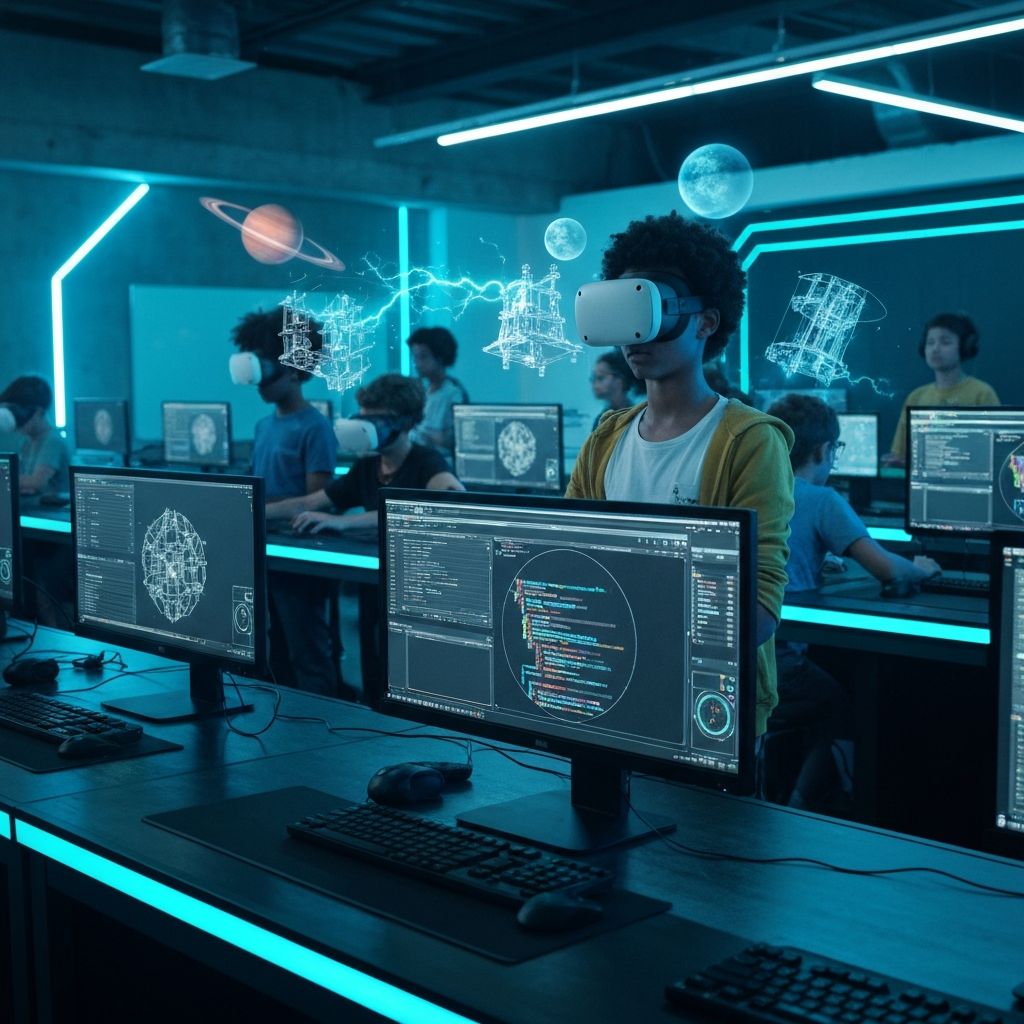
Ready to Start Your Creative Journey?
Join the ShockXR Kids Education Foundation and transform your passion for technology into professional skills. Limited spots available for the upcoming cohort.
ShockXR Kids Education Foundation is a 501(c)(3) nonprofit organization.
6-Week Course
Social Media Marketing & Advertising
Master social media strategy, content creation, and paid advertising. Learn platform algorithms, analytics, campaign management, and the digital marketing skills for modern brands and creators.
Mini-Project:
Complete social media marketing campaign with content strategy, paid ads, and performance report
Program Overview
Social media has become the primary marketing channel for businesses and creators worldwide. This course teaches strategic social media marketing -- not just posting content, but understanding algorithms, building audiences, and driving measurable business results through organic and paid strategies.
Week 1-2 establishes the fundamentals: platform differences, content strategy, and brand voice development. Students analyze successful accounts and identify the patterns that drive engagement. Week 3 focuses on content creation: designing graphics, writing copy, and producing video content optimized for each platform's algorithm. Week 4 introduces paid advertising: campaign structure, targeting options, and ad creative best practices.
Students manage real social media accounts and advertising campaigns, learning analytics interpretation and optimization strategies. The curriculum covers major platforms (Instagram, TikTok, YouTube, LinkedIn) and emerging channels. The capstone project requires developing and executing a complete social media strategy with measurable KPIs. Graduates are prepared for roles in digital marketing, social media management, and brand marketing.